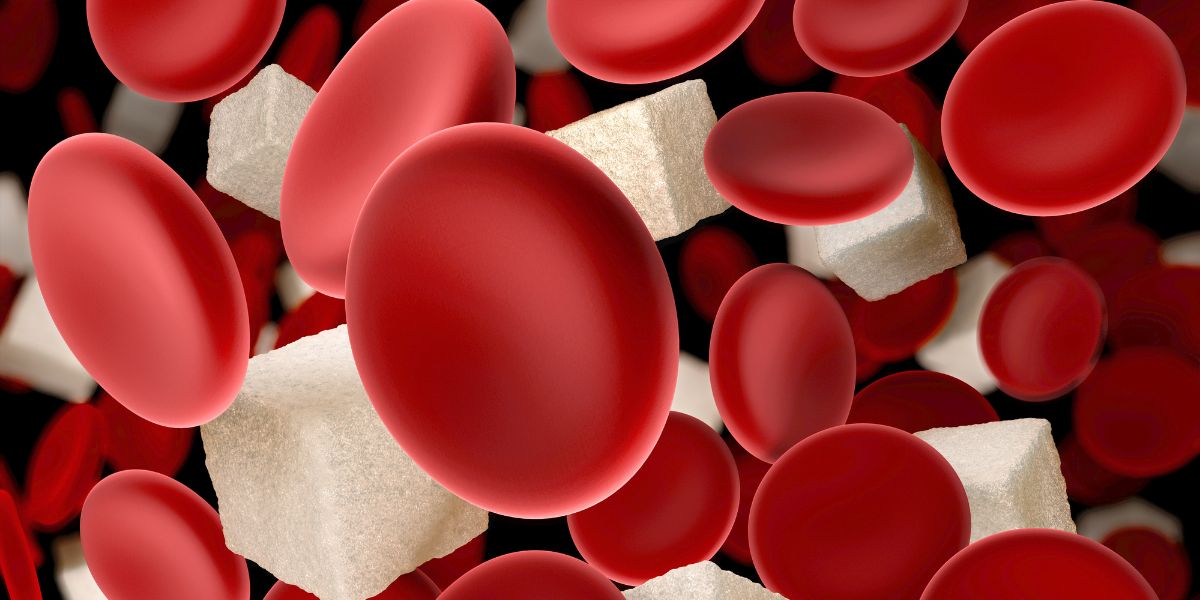
Foundational Health Principle 8: Implement Blood Sugar Stabilization Strategies
Facts of the day: Eating vegetables/fat/protein before carbs can lower glucose spikes by 28.6% versus the reverse order. (PubMed)
One of the most important lessons I’ve learned in the past several years is that glucose dysregulation is the root of most diseases disease.
A core is eating real, whole foods and avoiding added sugar, processed grains, and seed oils.
But several “hacks” have also been proven to lower glucose spikes. Below are 9 that have had an impact on me:
- No Naked Carbohydrates
- Don’t eat carbohydrates alone. Pair carbs with healthy protein, fats, and fiber.
- Don’t eat carbohydrates alone. Pair carbs with healthy protein, fats, and fiber.
- Preload meals and sequence meals for optimal metabolism
- To blunt the glucose spikes, eat non-starchy vegetables, fat, protein, and fiber before a high carbohydrate meal. Unlike nearly every restaurant suggests, you should avoid bread before your meal.
- To blunt the glucose spikes, eat non-starchy vegetables, fat, protein, and fiber before a high carbohydrate meal. Unlike nearly every restaurant suggests, you should avoid bread before your meal.
- Eat earlier
- The same meal will cause a lower glucose spike if eaten in the morning instead of late at night.
- The same meal will cause a lower glucose spike if eaten in the morning instead of late at night.
- Tighten the eating window
- Eating between a narrower window during the day leads to lower glucose and insulin spikes compared to eating the same amount of food spread out over a longer period.
- Eating between a narrower window during the day leads to lower glucose and insulin spikes compared to eating the same amount of food spread out over a longer period.
- Avoid ultra-processed foods that come in packages
- These are more likely to generate a glucose spike, be nutrient-poor, and have metabolism-crushing additives.
- These are more likely to generate a glucose spike, be nutrient-poor, and have metabolism-crushing additives.
- Never consume liquid refined sugar
- This includes soda, juice, or drinks with added sugars, like frappuccinos or sweet tea. We’ll also outline alcohol’s (often negative, sometimes positive) impact on metabolic health.
- This includes soda, juice, or drinks with added sugars, like frappuccinos or sweet tea. We’ll also outline alcohol’s (often negative, sometimes positive) impact on metabolic health.
- Add fiber to all meals
- This could involve eating chia seeds, flax seeds, other nuts or seeds, avocado, beans, lentils, or tahini.
- This could involve eating chia seeds, flax seeds, other nuts or seeds, avocado, beans, lentils, or tahini.
- Eat fats in their whole-food forms
- This includes reaching for raw nuts, seeds, avocado, coconut, and olives – not the oils derived from these items – whenever possible to buffer the impact of carbs.
- This includes reaching for raw nuts, seeds, avocado, coconut, and olives – not the oils derived from these items – whenever possible to buffer the impact of carbs.
- Walk for at least 15 minutes after meals
- This simple step can reduce the glucose impact of your meal by up to 30%.
If this article resonates with you, sign up for the email below. I’ll send one weekly email on the incentives/systemic problems with healthcare and one with practical tips that impacted me.
Processing…
Success! You're on the list.
Whoops! There was an error and we couldn't process your subscription. Please reload the page and try again.
 Calley Means