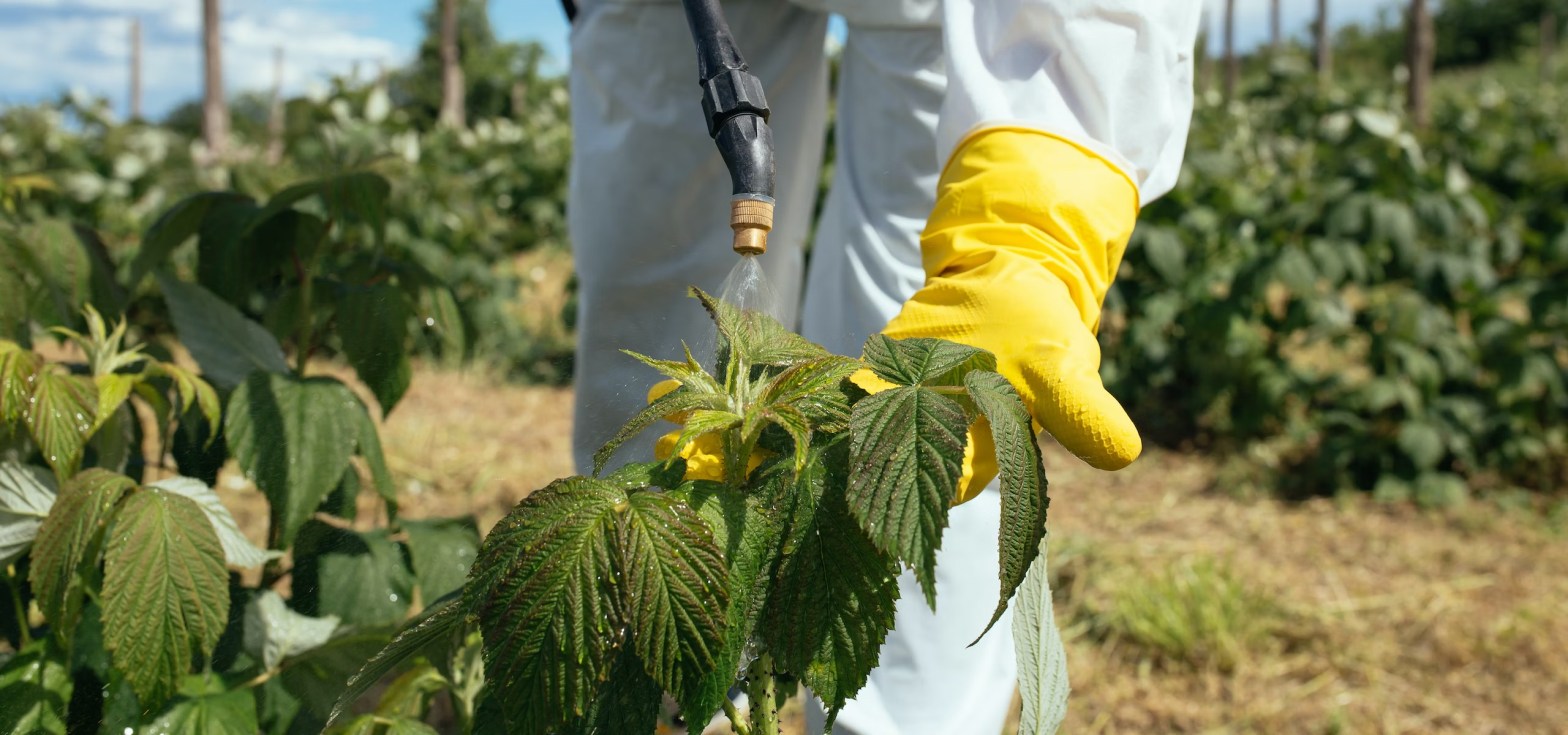
Foundational Health Principle 5: Don’t Kill the Microbiome with Pesticides
Fact of the day: A recent study found glyphosate in the urine of 99 percent of the pregnant women they observed. Higher glyphosate levels were associated with lower birth weight and higher neonatal intensive care unit admission risk.

U.S. glyphosate (most popular herbicide) use per year – Environmental Protection Agency
I was speaking to a doctor with two Harvard degrees about the rise of brain disorders (dementia, depression, neurological issues). I posited that disruptions in our microbiome are surely to blame, and he replied, “I’m not into pseudo-science like that.”
This is how I used to think and how many “smart” people currently see health: “serious medicine” is drugs and procedures. Talk of switching to organic food to not damage the microbiome is for hippies.
This view is tragically wrong: a key focus of our individual lives and U.S. public policy should be to protect the trillions of bacteria cells in our gut.
The microbiome controls our reproductive hormones, happiness (95% of serotonin is produced in the gut, not the brain), immune system, and functioning of our skin, respiratory tract, and brain.
So, where does organic food come in? The purpose of pesticides and herbicides is to kill organic life (pests and weeds) around plants. This food is disrupting the delicate balance of bacteria that controls the functioning of our body.
The use of these chemicals has exploded (see chart above) and has been largely unregulated. Dozens of the most popular chemicals used to treat U.S. crops are banned in the EU.
Medical leaders are saying it is “unclear” why we are seeing cascading increases in infertility, depression, autoimmune disorders, allergies, obesity, and childhood development delays all at once. A big reason is that we are barraging our bodies with unprecedented toxins. In 20 years, we will look back on the chemicals we’re putting in food as a scandal. Change is being made, and there’s reason for long-term optimism, but we should take individual action in the meantime.
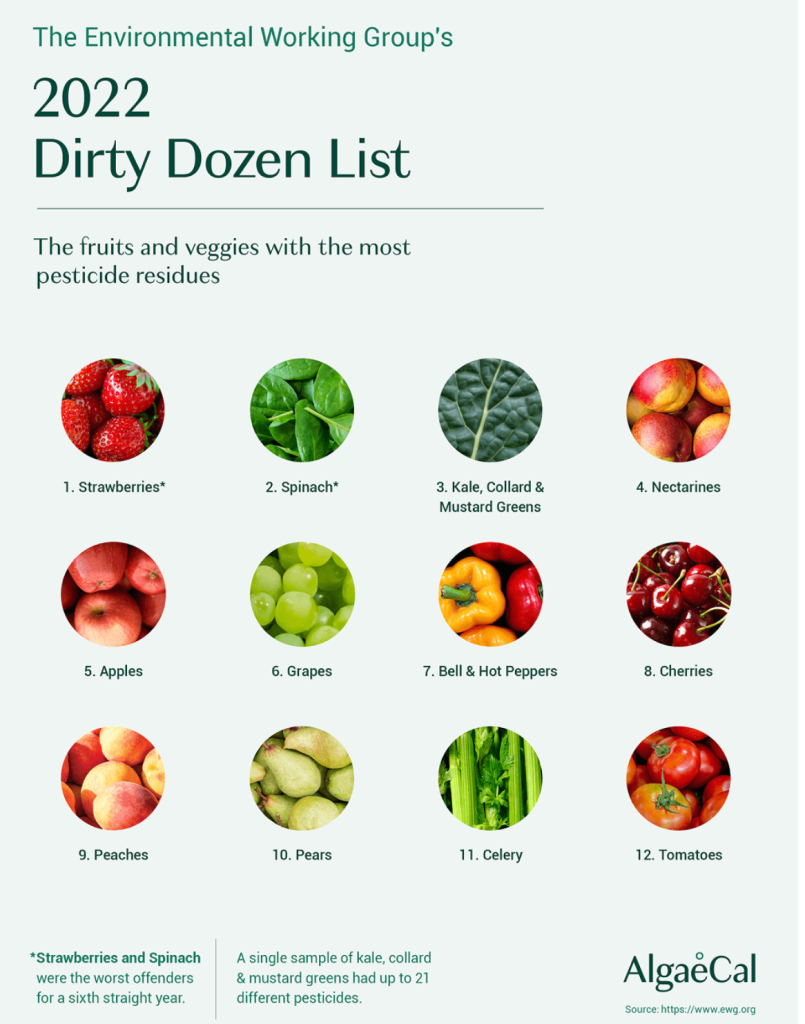
Eating organic doesn’t solve everything, but it’s a big start. Below is a list I’ve found healthy of the “Dirty Dozen” foods you should ensure are organic.
If this article resonates with you, sign up for the email below. I’ll send one weekly email on the incentives/systemic problems with healthcare and one with practical tips that impacted me.
 Calley Means