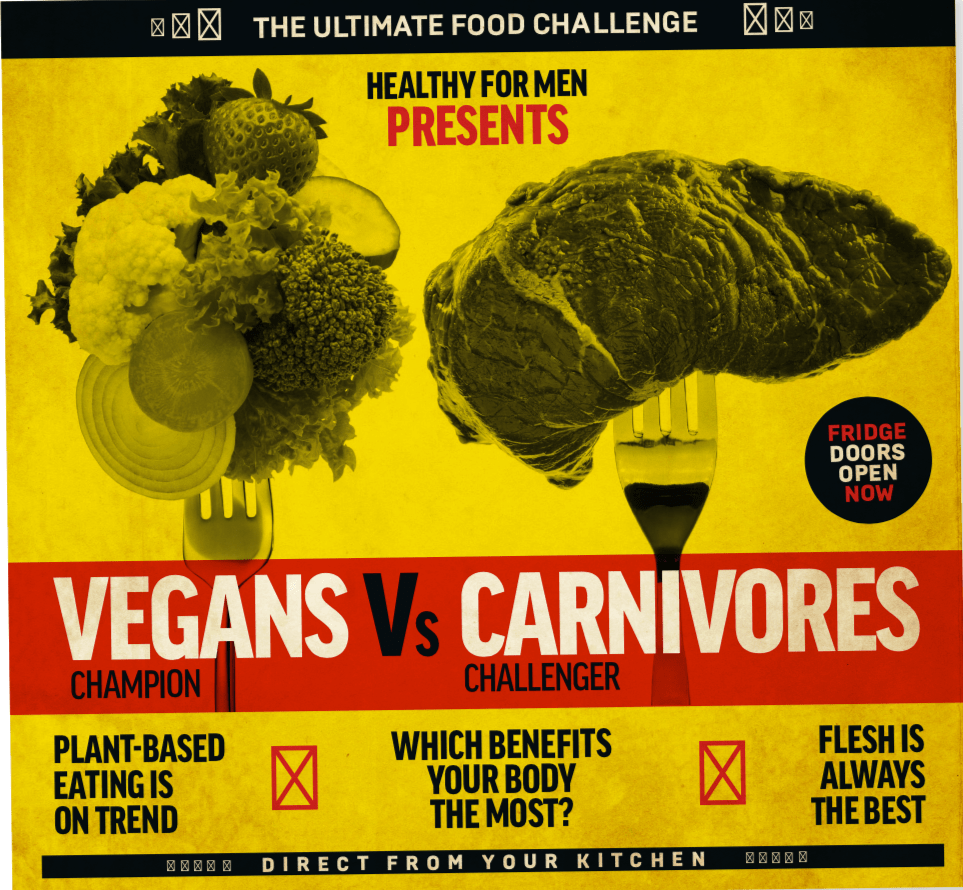
One topic my sister and I are exploring for our book is the idea that we are being deliberately confused about food.
Keto, paleo, vegan, carnivore… There is an endless debate about what dietary philosophy is best.
But this debate ignores the key questions:
What nutrients do I need from food to keep my cells thriving?
What elements in food cause damage to my cells – and should be avoided?
Food is a matching problem between the micronutrients our cells need to thrive and those containing them. We need to start analyzing – personally and as a society – what the components of food are.
We should analyze the components of food in the same way. Consider a simple example: purified water is good and helps our cells thrive. Water that is loaded with arsenic is terrible.
With food, we know that people who eat ultra-processed foods, too many omega-6 fats, and excess sugar tend to have higher rates of chronic disease and early death. And we know that including omega-3 fats, adequate micronutrients and phytonutrients, and antioxidant-rich foods supports longevity. The question is, what can I eat to maximize omega-3s, micronutrients/phytonutrients, and antioxidants?
Seeing food through this lens helps us appreciate the overlap between all of the significant dietary ideologies, and this overlap is where some essential nutritional truths emerge.
What could whole-food, plant-based eaters and carnivore enthusiasts possibly have in common? One group eats only plants, and the other only eats meat. But in fact, these dietary ideologies share traits:
- Both focus on the nutrient density of food, striving to get as many nutrients as possible from what they eat.
- Both eschew processed foods and abstain from processed grains, sugar, food additives, and seed or vegetable oils.
- Both take a thoughtful approach to food sources and sustainability, with an appreciation of the importance of soil health.
We need to stop falling into the draft of debating dietary philosophies and start seeing food as a challenge to find sources of the micronutrients that help us thrive (and avoid substances that hurt us).
If this article resonates with you, sign up for the email below. I’ll send one weekly email on the incentives/systemic problems with healthcare and one with practical tips that impacted me.
 Calley Means