Foundational Health Principle 12: Consciously facilitate states of transcendence and awe.
My TrueMed co-founder Justin Mares published an article that coincides with Principle 12, which we discussed in the last blog.
I can say this experience of the transformational impact of psychedelic therapy with his partner resonates with my experience. I think we all get in “ruts” and patterns of behavior with our loved ones, and intentional psychedelic use is a powerful tool that my wife and I treasure. I think it is nothing less than a cultural blindspot that these tools aren’t encouraged widely for every couple.
If this article resonates with you, sign up for the email below. I’ll send one weekly email on the incentives/systemic problems with healthcare and one with practical tips that impacted me.
Processing…
Success! You're on the list.
Whoops! There was an error and we couldn't process your subscription. Please reload the page and try again.
Foundational Health Principle 12: Consciously facilitate states of transcendence and awe.
Fact 1: 67% of the volunteers in a Johns Hopkins psilocybin study rated the experience to be among the top five most meaningful experiences of their lives – on par with the death of a parent or birth of the first child. (Johns Hopkins)
Our brain is prone to mental illness, toxic fear, and chronic stress.
It is also predisposed to experience anxiety, paranoia, and judgment – throughout human history, these were evolutionarily beneficial feelings in short spurts.
But a state of chronic stress and anxiety (constant Instagram and Slack notifications) weakens our metabolic functions and makes us more prone to disease – both physical and mental.
We must remind and train our brains that the torrent of negative thoughts that inevitably come into our heads are separate from who we are. Increasing research shows tapping into transcendental states — whether that be from psychedelics, meditation, prayer, or deep breathing – leads to better health.
I recently appeared on Dhru Purohit’s podcast to discuss various topics, from our rigged food system to the “medicines” (food and exercise) that should be the foundation of our healthcare policy. To watch the full interview, click here. To watch the clip on psychedelic therapy, click here.
If this article resonates with you, sign up for the email below. I’ll send one weekly email on the incentives/systemic problems with healthcare and one with practical tips that impacted me.
Processing…
Success! You're on the list.
Whoops! There was an error and we couldn't process your subscription. Please reload the page and try again.
Foundational Health Principle 11: Eat Over 40 Grams of Fiber Per Day
Fact 1: 95% of Americans don’t get enough fiber. (PubMed)
As I’ve embarked on this journey to discover items we should be encouraging in the American diet, fiber is an essential macronutrient that constantly arises.
Fiber, which processed foods often don’t contain, is essential for our metabolism. In fact, the processing in processed grains means removing the fiber shell.
Studies show that elements in fiber help regulate our energy production through several mechanisms, including slowing glucose absorption and contributing to the microbiome’s production of pro-metabolic chemicals.
Fiber also slows inflammation by feeding gut bacteria and maintaining the gut’s mucus layer (a physical barrier that keeps pathogens out).
The USDA recommended daily fiber intake is 22-34 grams daily, which most Americans don’t get. According to an analysis with the Levels advisory board, the optimal daily amount should be closer to 50 grams.
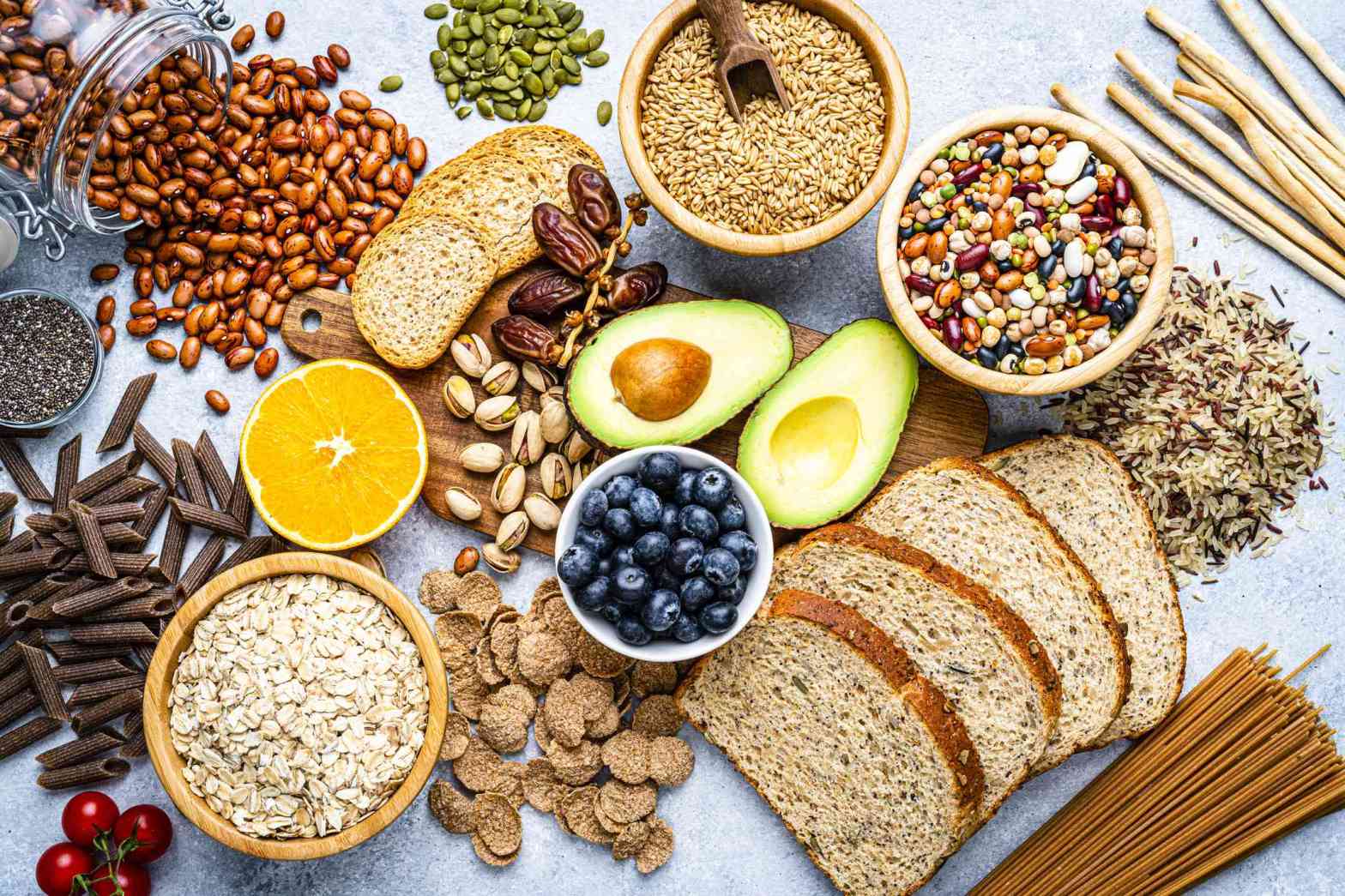
Fiber-heavy foods include chia seeds, flax seeds, avocados, certain beans, and whole fruits.
If this article resonates with you, sign up for the email below. I’ll send one weekly email on the incentives/systemic problems with healthcare and one with practical tips that impacted me.
Processing…
Success! You're on the list.
Whoops! There was an error and we couldn't process your subscription. Please reload the page and try again.
As I’ve discussed the broken food system over the past few weeks, this is the most common question.
This email covers 25 health principles we must prioritize individually to get back on track.
But let’s keep focus: if there is one Golden Rule for how we should structure our nutrition decisions and health/food policy, it should be to reduce seed (or vegetable) oils, added sugar, and processed grains/corn from our diet.
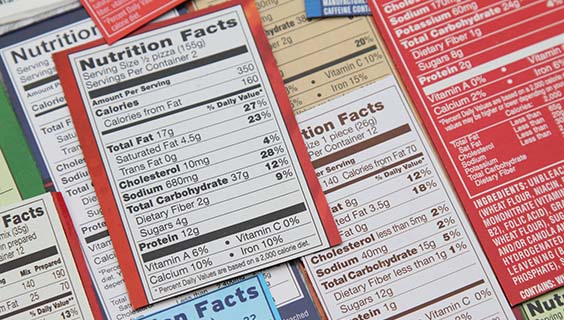
Amazingly, leading reporters and academics still question aloud what leads to spikes in obesity and disease. It is these three trends – and checking our labels for these ingredients is the most important thing we can do.
Whether you are vegan or carnivore, eliminating these three ingredients from your diet inevitably leads you to more whole foods that your body is evolutionarily created to eat.
If this article resonates with you, sign up for the email below. I’ll send one weekly email on the incentives/systemic problems with healthcare and one with practical tips that impacted me.
Processing…
Success! You're on the list.
Whoops! There was an error and we couldn't process your subscription. Please reload the page and try again.
Foundational Health Principle 10: Get Consistent Quantity of Sleep
We know sleep is important, but increasing research shows it is the foundation of health – to the degree that you should sacrifice exercise and most other habits if you are not getting a good baseline of sleep.
One tip: Eight Sleep was one of my best purchases. It heats/cools during the night to regulate your temperature, leading to better sleep.
Fact 1: If someone sleeps four hours per night for six nights, they experience a 400% increase in the number of microsleeps they experience during the day (usually without realizing it). (UPenn)
Fact 2: In 2019, the International Agency for Research on Cancer classified night shift work as “probably carcinogenic to humans.” (Esmo)
Fact 3: The better sleep a person got, the more likely they were (on average) to have lower blood glucose the next morning. (Lund University)
Fact 4: When a sleep-deprived doctor finishes a long shift and gets in their car to go home, they are 168% more likely to be involved in a motor vehicle incident due to fatigue. (Why We Sleep)
Fact 5: Consistent sleep is critical to preventing chronic diseases such as type 2 diabetes, obesity, heart disease, Alzheimer’s disease, and stroke. (Frontiers)
If this article resonates with you, sign up for the email below. I’ll send one weekly email on the incentives/systemic problems with healthcare and one with practical tips that impacted me.
Processing…
Success! You're on the list.
Whoops! There was an error and we couldn't process your subscription. Please reload the page and try again.
Whenever I go to a new city, I am struck by how the largest and fanciest building is often a hospital.
The Texas Medical Center in Houston has 2.1 square miles of buildings that can be seen from space.
OHSU (the largest hospital in Portland) has 37 major buildings.
The largest building in my town, Phoenix, is a Children’s Hospital.
I keep wondering: are these buildings a sign of medical progress, or are people (particularly kids) just getting sicker?
Every health condition we face is siloed into a different department and building. If your child has an ear infection, you see an ENT for antibiotics or ear plugs. If you have high cholesterol, see your cardiologist for a statin or a bypass surgery. If you are depressed, see your psychologist for an SSRI. If you’re having fertility issues, see your OBGYN for estrogen pills or an IVF procedure. But all of these conditions are getting worse.
In years of diving into this topic, I’m convinced one of the most important health principles is that if you, your child, or your parents are thrown into this siloed healthcare system for a physical or mental condition – ask questions about the incentives and push to find the root cause of what’s actually happening. The current system isn’t incentivized to do this.
If this article resonates with you, sign up for the email below. I’ll send one weekly email on the incentives/systemic problems with healthcare and one with practical tips that impacted me.
Processing…
Success! You're on the list.
Whoops! There was an error and we couldn't process your subscription. Please reload the page and try again.
There are a lot of reasons for skepticism when the incentives of this decision are analyzed:
This drug, semaglutide, requires lifetime injections, or the weight comes back – making children pharma customers forever.
The main funders of the American Academy of Pediatrics are pharmaceutical companies.
Obesity is a symptom – not a cause – of metabolic dysfunction. If teens take semaglutide but continue eating an unhealthy diet, they will surely suffer other chronic conditions and die an earlier death. In this way, it is a moral hazard.
Semaglutide changes our metabolism to make us less hungry. Obviously, altering our metabolism will have unexpected effects. We are arrogant to think we understand much about how our body processes energy. There is a talking point going around that semaglutide has low side effects, which isn’t true: reports say a majority of people who take it experience gastrointestinal issues. Since most serotonin is created in the gut, this is almost surely accompanied by increased depression.
Most importantly, we have finite choices of where we spend our healthcare dollars. Drug companies are arguing that the government or insurance companies reimburse this drug for every overweight american. What if we put those hundreds of billions of dollars into incentivizing healthy eating and exercising. That is a possible public policy option we are working to mainstream with TrueMed. I think the trends are clear: we will not get healthier as a country until we prioritize food over miracle cures.
If this article resonates with you, sign up for the email below. I’ll send one weekly email on the incentives/systemic problems with healthcare and one with practical tips that impacted me.
Processing…
Success! You're on the list.
Whoops! There was an error and we couldn't process your subscription. Please reload the page and try again.
Foundational Health Principle 9: Get Sunlight in Your Eyes Every Morning
Facts of the day: Viewing sunlight in the morning causes ~50% increase in circulating cortisol, epinephrine, and dopamine. (Andrew Huberman)
There’s been a lot of talk recently about exposure to sunlight. Stanford Professor Andrew Huberman, who has created the country’s most listened-to health podcast, has said sun exposure in the morning is his one non-negotiable health habit.
I personally thought this habit sounded a bit frivolous, but I can say that almost every health leader I look up to says it is foundational. I have been trying to get more sun exposure in the morning, and I think it makes a difference.
We must remember we are literally made of sunshine: the sun’s energy is converted to glucose in plants, which is then broken down by human bodies to create cellular energy, and to build structural components of our bodies. Aside from the glucose we consume being a physical byproduct of sunlight, light also acts as an energetic messenger to signal to the brain and body how and when to initiate certain metabolic pathways.
When our retinas receive inconsistent light, the body’s sleep-wake cycle—known as our circadian rhythm— goes haywire, impacting everything from food intake, insulin sensitivity, glucose control, and energy expenditure. Our cells have clock genes, which self-regulate their expression on close to a 24-hour cycle, although light (and food) timing affects this pattern.
In rats, bright light exposure in the morning leads to lower weight and glucose levels (as well as lower anxiety and depressive behaviors). However, most of us are not getting that optimal exposure. As one paper states, current lifestyle and social habits, such as eating or working at night, being exposed to artificial light at night, and altered sleeping schedules, are among the factors that can cause circadian disruption.
For more resources, check out my sister’s blog post here and the protocol Andrew Huberman uses here.
If this article resonates with you, sign up for the email below. I’ll send one weekly email on the incentives/systemic problems with healthcare and one with practical tips that impacted me.
Processing…
Success! You're on the list.
Whoops! There was an error and we couldn't process your subscription. Please reload the page and try again.
Foundational Health Principle 8: Implement Blood Sugar Stabilization Strategies
Facts of the day: Eating vegetables/fat/protein before carbs can lower glucose spikes by 28.6% versus the reverse order. (PubMed)
One of the most important lessons I’ve learned in the past several years is that glucose dysregulation is the root of most diseases disease.
A core is eating real, whole foods and avoiding added sugar, processed grains, and seed oils.
But several “hacks” have also been proven to lower glucose spikes. Below are 9 that have had an impact on me:
No Naked Carbohydrates
Don’t eat carbohydrates alone. Pair carbs with healthy protein, fats, and fiber.
Preload meals and sequence meals for optimal metabolism
To blunt the glucose spikes, eat non-starchy vegetables, fat, protein, and fiber before a high carbohydrate meal. Unlike nearly every restaurant suggests, you should avoid bread before your meal.
Eat earlier
The same meal will cause a lower glucose spike if eaten in the morning instead of late at night.
Tighten the eating window
Eating between a narrower window during the day leads to lower glucose and insulin spikes compared to eating the same amount of food spread out over a longer period.
Avoid ultra-processed foods that come in packages
These are more likely to generate a glucose spike, be nutrient-poor, and have metabolism-crushing additives.
Never consume liquid refined sugar
This includes soda, juice, or drinks with added sugars, like frappuccinos or sweet tea. We’ll also outline alcohol’s (often negative, sometimes positive) impact on metabolic health.
Add fiber to all meals
This could involve eating chia seeds, flax seeds, other nuts or seeds, avocado, beans, lentils, or tahini.
Eat fats in their whole-food forms
This includes reaching for raw nuts, seeds, avocado, coconut, and olives – not the oils derived from these items – whenever possible to buffer the impact of carbs.
Walk for at least 15 minutes after meals
This simple step can reduce the glucose impact of your meal by up to 30%.
If this article resonates with you, sign up for the email below. I’ll send one weekly email on the incentives/systemic problems with healthcare and one with practical tips that impacted me.
Processing…
Success! You're on the list.
Whoops! There was an error and we couldn't process your subscription. Please reload the page and try again.
Following my Tucker interview, Fox invited my True Medicine co-founder Justin to discuss further how our food system is rigged. Watch the segment here.
I am glad Fox is exposing this topic on two of the three most-watched cable shows in the country. This is a brave move because much of their advertising revenue still comes from processed food. We are eager to take the message to left-of-center outlets like CNN and MSNBC (which have yet to respond).
This Big Food corruption point seems to be resonating. I hope these blogs have made you more skeptical when you hear conventional wisdom from trusted authorities – this critical thinking and empowerment is the only way we will turn this around.
Here are four facts about food corruption I think about often:
Soda companies spend 11 times more on nutrition than the NIH. Eighty-two percent of independently funded studies show harm from sugar-sweetened beverages, but 93 percent of industry-sponsored studies said no harm (from the excellent book Food Fix).
95% of the panel who created the most recent nutrition guidelines had financial ties to food or pharmaceutical companies.
In 1963, the Sugar Research Foundation (SRF) paid Harvard researchers the equivalent of $50k to refute sugar’s role in heart disease, and researchers happily produced the results they were hired to produce. Instead of blaming sugar, Harvard and the SRF blamed cholesterol and saturated fat. Today, after 60 years of fat-is-bad food policy, Americans have never been in worse health, with no shortage of studies vindicating fat — including saturated fat.
As we’ve discussed, 80% of American subsidies go to corn, grains, and soy oil. Amazingly, cigarettes (tobacco) receive four times more government subsidies (2%) than all fruits and vegetables combined (.45%). Despite current government guidelines recommending that 50% of the American plate be filled with fruits and vegetables, this is all.
Thanks – and I think we’ll get back to regular programming tomorrow 🙂
If this article resonates with you, sign up for the email below. I’ll send one weekly email on the incentives/systemic problems with healthcare and one with practical tips that impacted me.
Processing…
Success! You're on the list.
Whoops! There was an error and we couldn't process your subscription. Please reload the page and try again.















 Calley Means